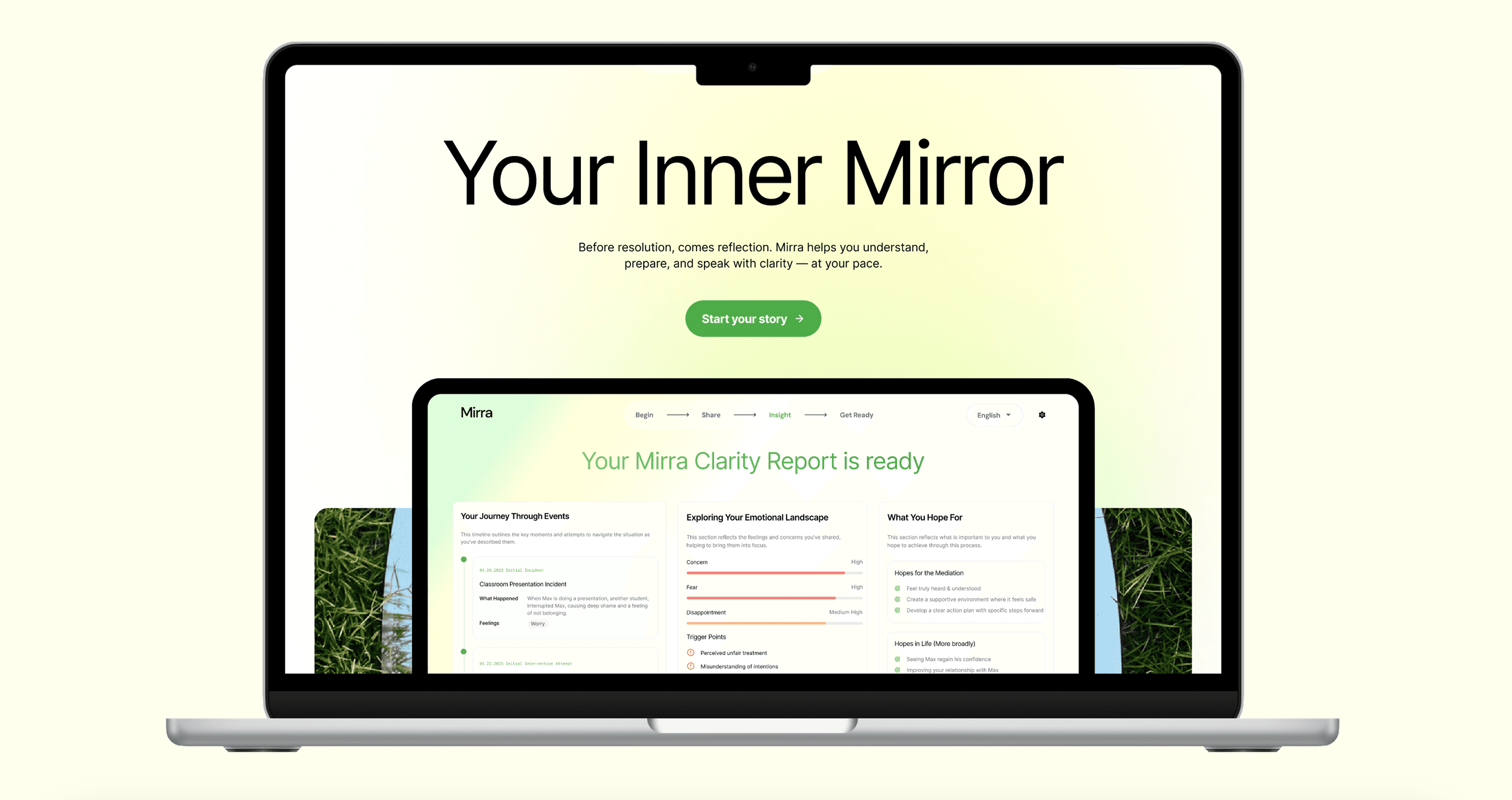
Mirra – AI-Powered Emotional Readiness Tool for Youth Mediation
AI tool that helps adults prepare emotionally for youth mediation, reducing conflict escalation and improving trust in emotionally charged situations
Jihae Kim, Jenny Leppänen, Johanna Svea Weigel, Liselotte Frederique Molin, Isaac Jyväsjärvi
Research 20%+,
UX/UI Design 100%
Product Design · UX/UI · Emotional Design · AI Intergration
How might AI support youth work?
Challenge
Aseman Lapset, a Finnish NGO specializing in youth mediation, with limited staff capacity but high emotional complexity in cases.
Result
Aseman Lapset, a Finnish NGO specializing in youth mediation, with limited staff capacity but high emotional complexity in cases.
Context & Challenge
What ways could adults rebuild trust in each other during conflict mediation?
Aseman Lapset ry, a Finnish NGO specializing in youth mediation, faces a familiar problem: limited resources and high emotional complexity. They wanted to explore how AI could help — but with a clear directive:
“Focus on the adults (parents, guardians, and teachers), not the youth.”
Why adults?
In youth mediation, young participants are often more open to dialogue. Adults, however, bring decades of history, entrenched perspectives, and emotional baggage to the table.
Mediation often fails not because of the children — but because the adults arrive mistrustful, defensive, and emotionally unready.
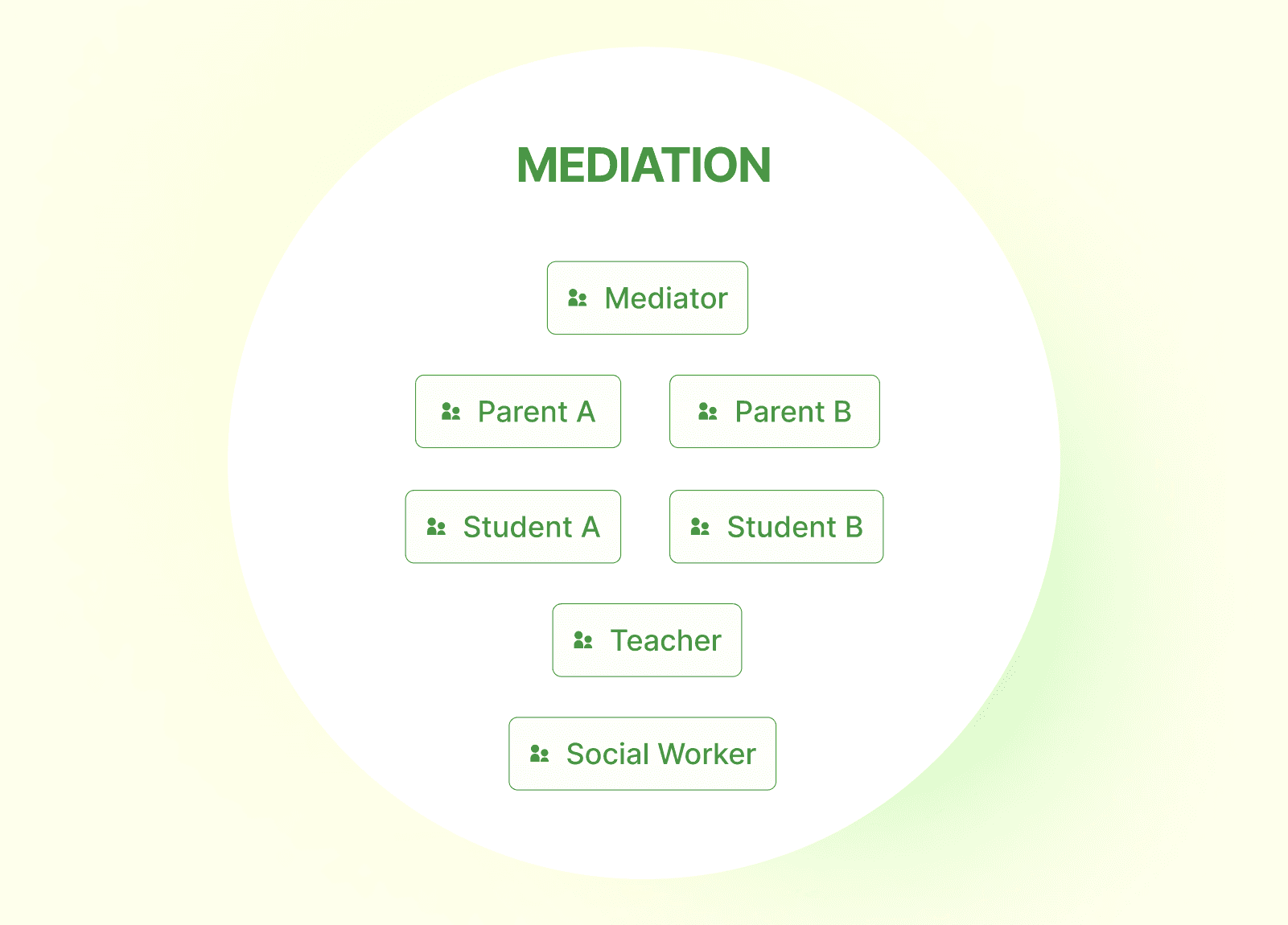
The current mediation participants
Adults enter mediation defensive and unprepared.
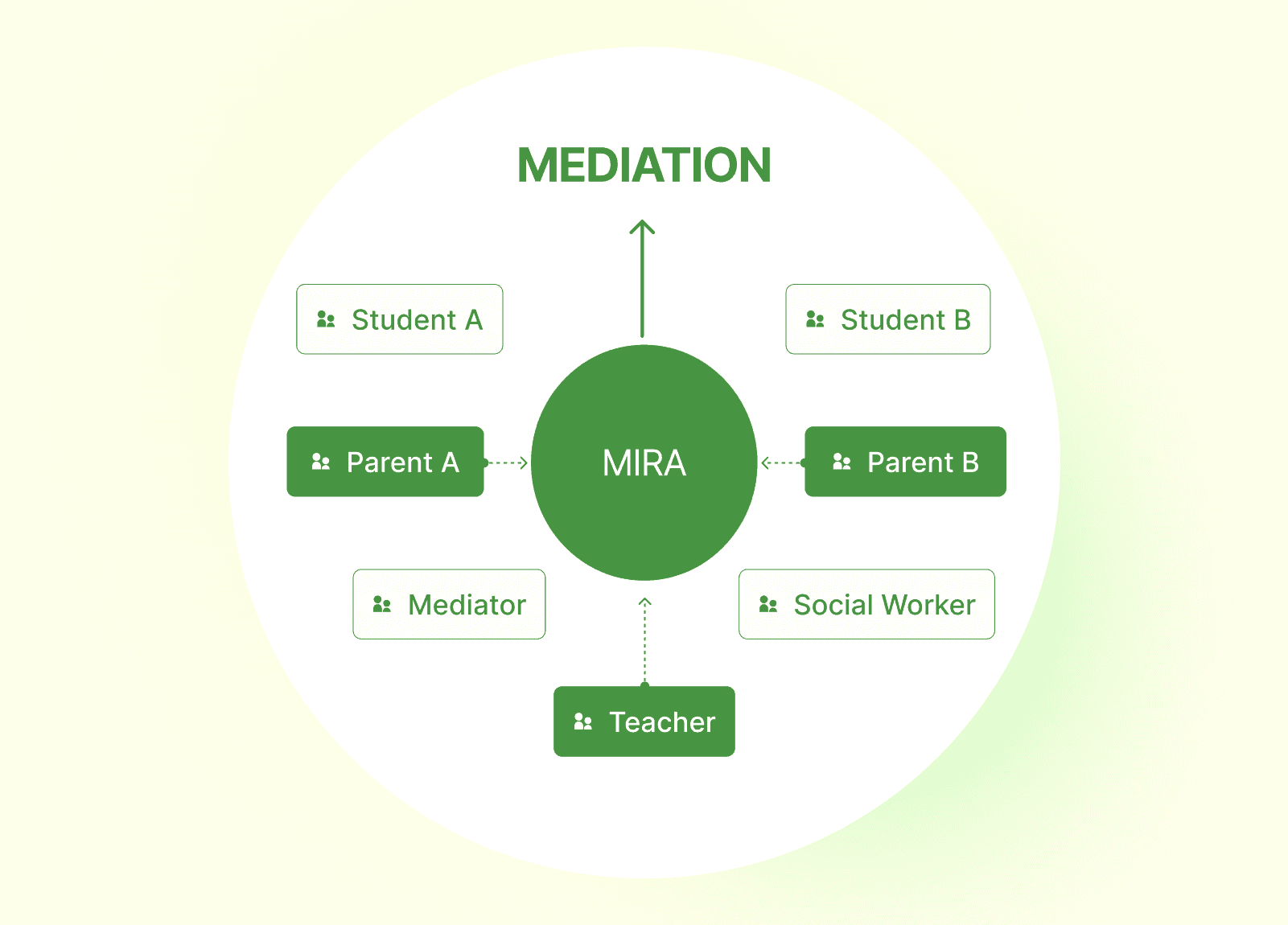
Mira before mediation
Adults (parents, teachers) engage in Mira, before mediation.
Research
Insights from 11 experts revealed that trust, emotional safety, and cultural nuance are the pillars of effective mediation.
Approach
Secondary Research: Youth work principles, trust-building, cultural frameworks, and AI ethics.
Primary Research: 11 expert interviews (mediators, educators, AI developers, social workers) across Finland & Korea.
Frameworks Applied: Cynefin framework, Restorative Justice, Nonviolent Communication, Cognitive Behavioral Therapy, Emotional Design principles.

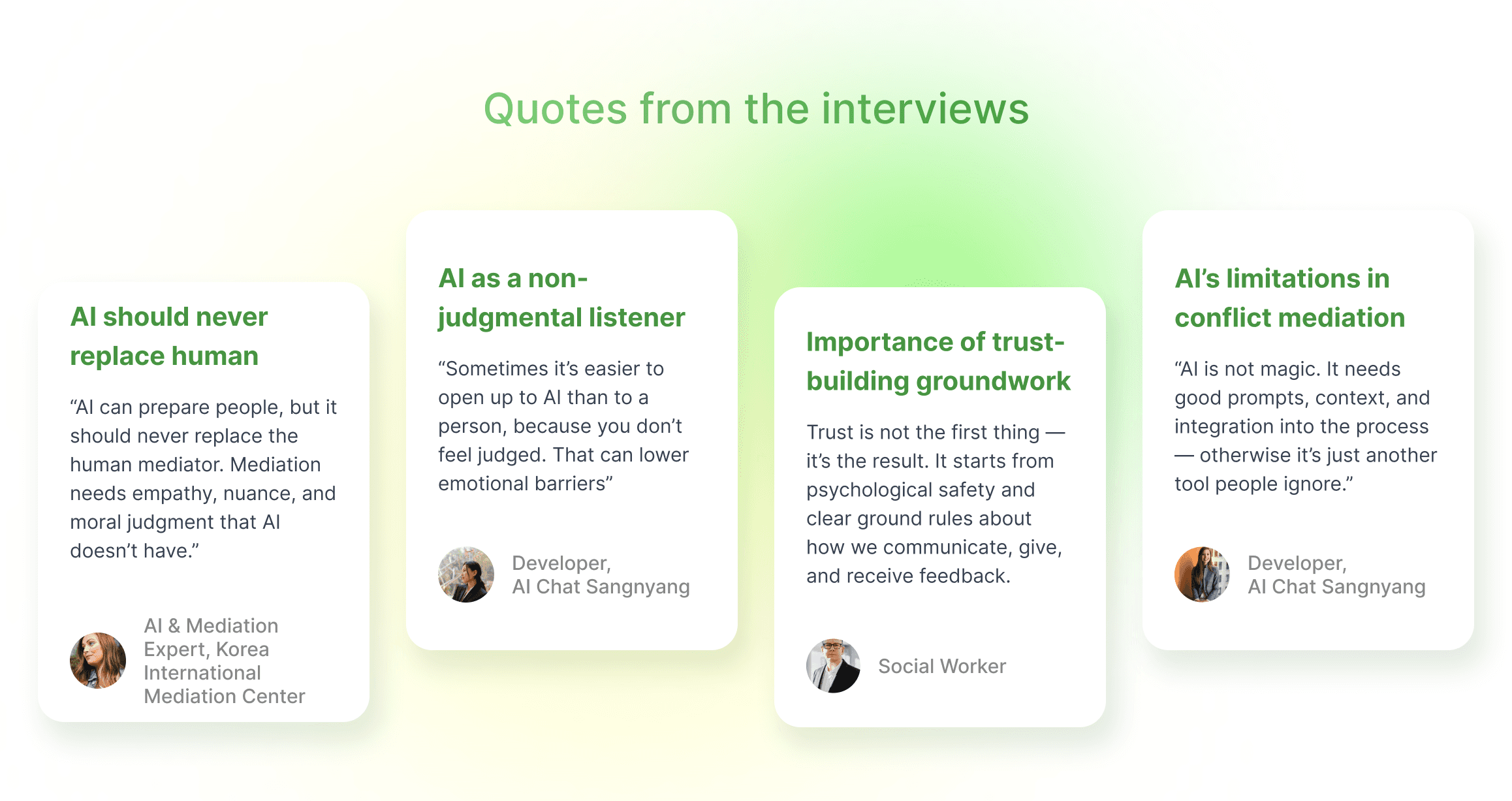
Key Insights
AI should never replace human mediators—its role is support, not substitution.
Adults need a safe, reflective entry point before mediation to process emotions.
Emotional readiness is the biggest success predictor for mediation.
Trust and privacy are critical for adoption, especially for skeptical adult users.
Define
The pre-mediation stage became our critical design opportunity for meaningful impact.
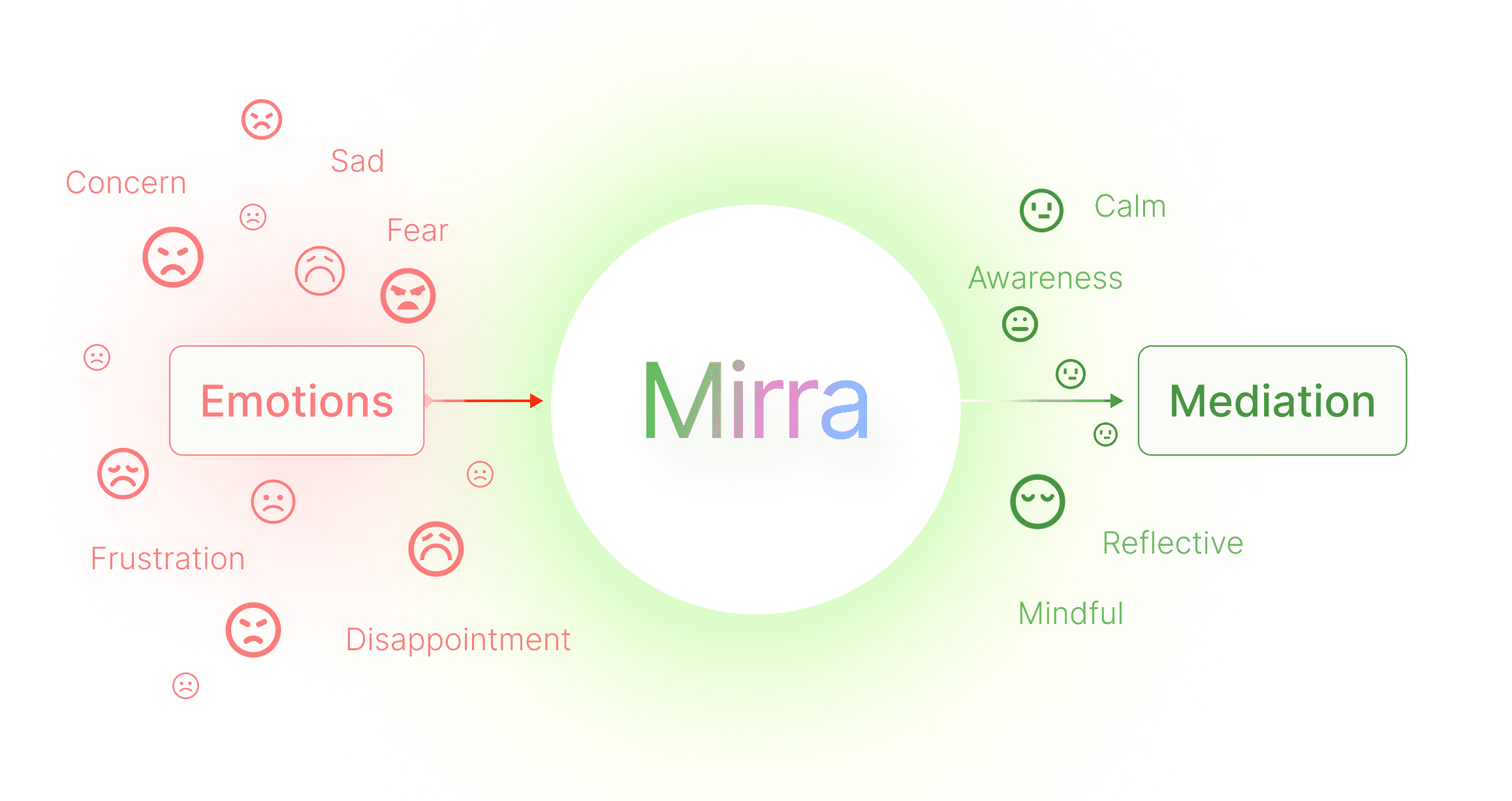
Mediation is not a single event—it’s a journey. The pre-mediation phase is critical, yet unsupported. AI can fill this gap by creating a private, guided space for reflection, emotional processing, and clarity before entering the room.
UX/UI Design & Prototyping
Design Vision
Our vision is to create a safe emotional outlet that guides parents through reflection before mediation, helping them process emotions effectively and enter discussions with clarity and openness.
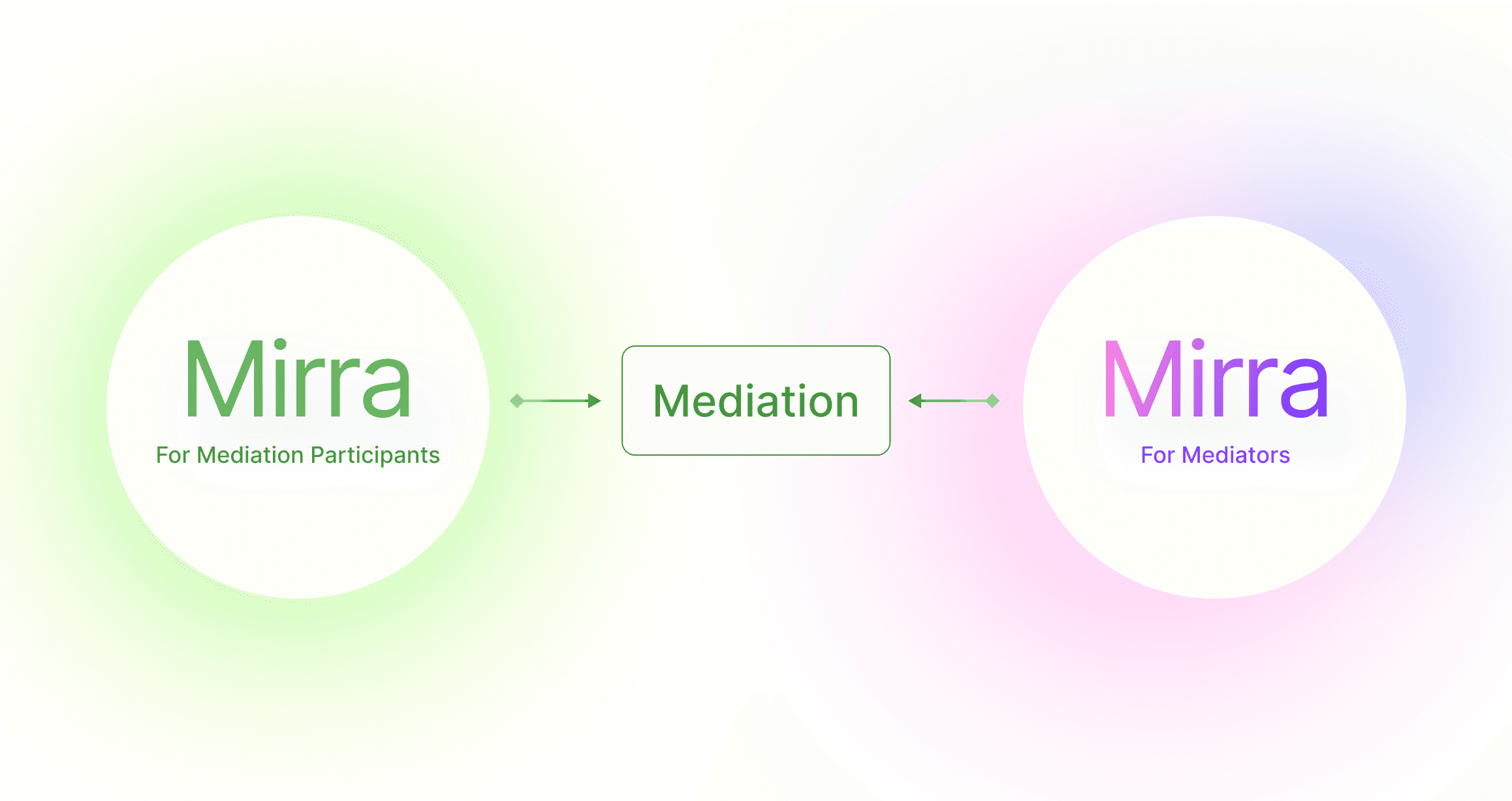
We designed Mirra, an AI-powered reflection tool that:
Guides adults through calm, validating prompts
Generating Clarity report that summarizes emotional needs, context, and goals
Lets users edit and control what is shared with mediators
Creates clarity so mediation starts on a foundation of trust, not tension
Ideation & Sketches
How does Mirra look, sound, and feel?
I Used AI tools to create prototypes that built shared understanding with stakeholders, and conducted early user testing to enable faster, more iterative improvements
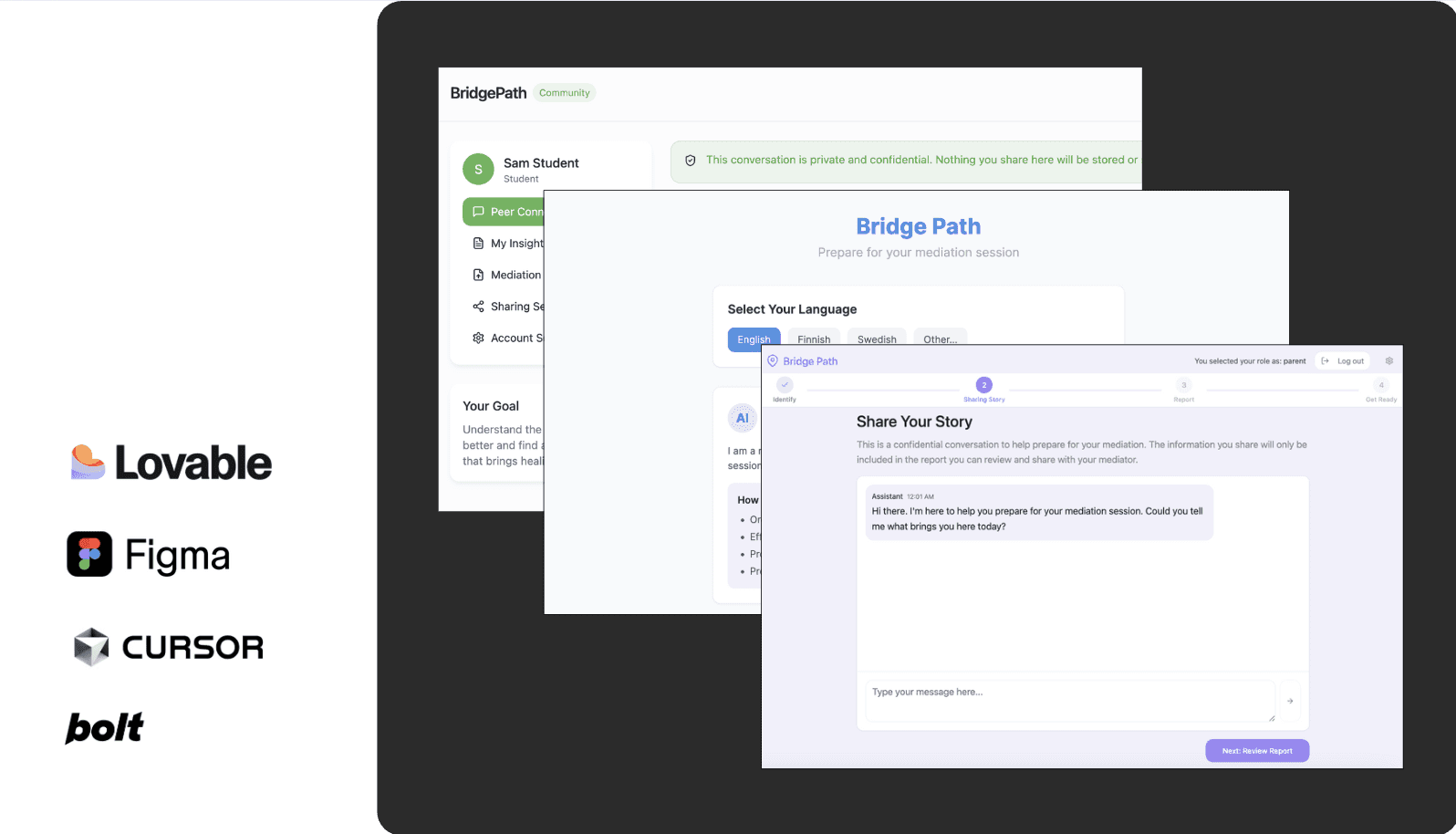
After exploring AI, I built the UI in Figma with the following considerations:
Tone of Voice: Mira should communicate in a gentle, validating, and non-intrusive way.
Visual Style: A minimalist layout with generous white space, ensuring the flow remains simple and intuitive.
User Control: Users should feel complete control over their experience. They can edit AI-generated content and decide what to share, and with whom — reinforcing safety, autonomy, and trust.
Mirra For Participants
Every interaction was designed to feel safe, empathetic, and in full user control—down to editable AI outputs.
coA bridges the gap between disciplines, enabling students to connect effortlessly, start projects, and collaborate without barriers. By prioritizing inclusivity and accessibility, coA fosters an egoless environment where teamwork thrives.

Landing Page - Setting Clear Expectations
Highlights Mirra’s step-by-step process and key user benefits
Includes real screenshots to set expectations visually
Features expert mediators to show human support is always available
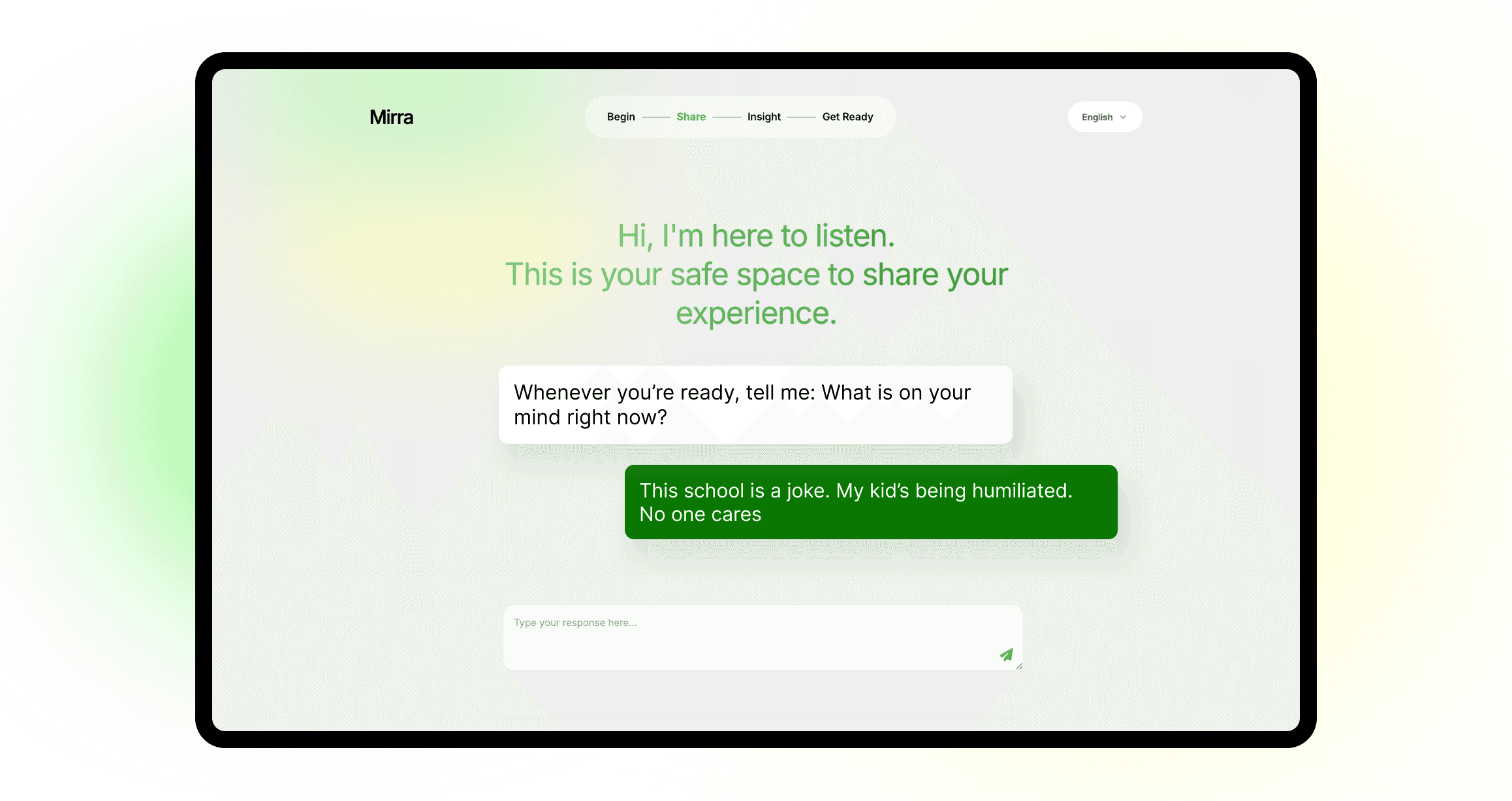
Share page - Start & share your pov to Mirra.
Mirra uses a Large Language Model (LLM) to analyze what users write — such as parents or teachers involved in conflict.
In our prototype, we used OpenAI, with in-context tuning to make the responses more emotionally supportive.
The AI doesn't just summarize — it listens: Understands tone and emotional cues (sentiment analysis)
Highlights key events and patterns
Helps users reflect on their needs, emotions, and triggers
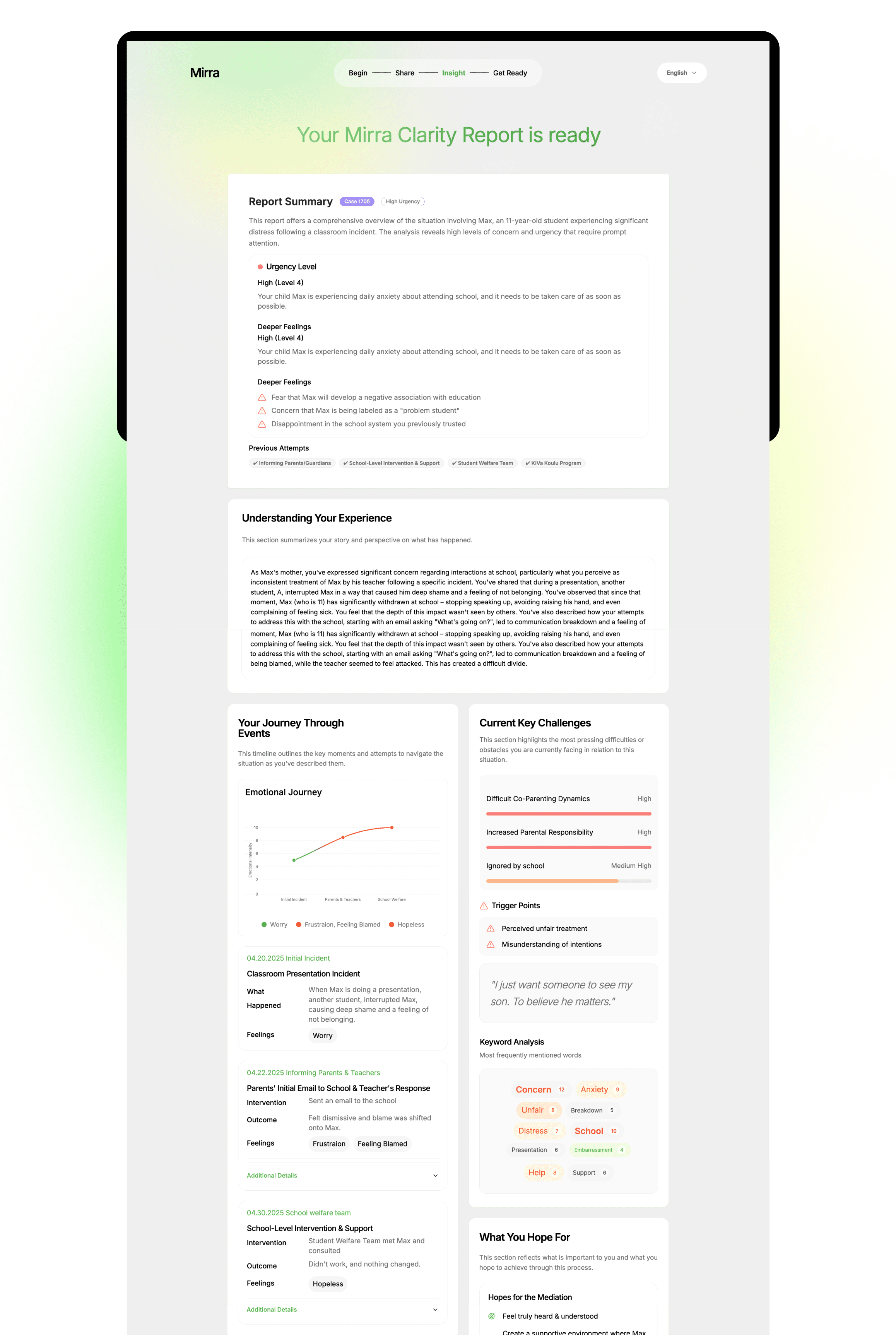
Report page - Mirra Supports Reflection Through AI
Summarizes the story and emotional journey
Highlights key events with timeline, challenges, and trigger points
Reflects hopes and goals for the mediation process
Provides contextual background to help mediators understand the full picture
Each section is fully editable by the user
Sharing with a mediator is optional and based on user consent
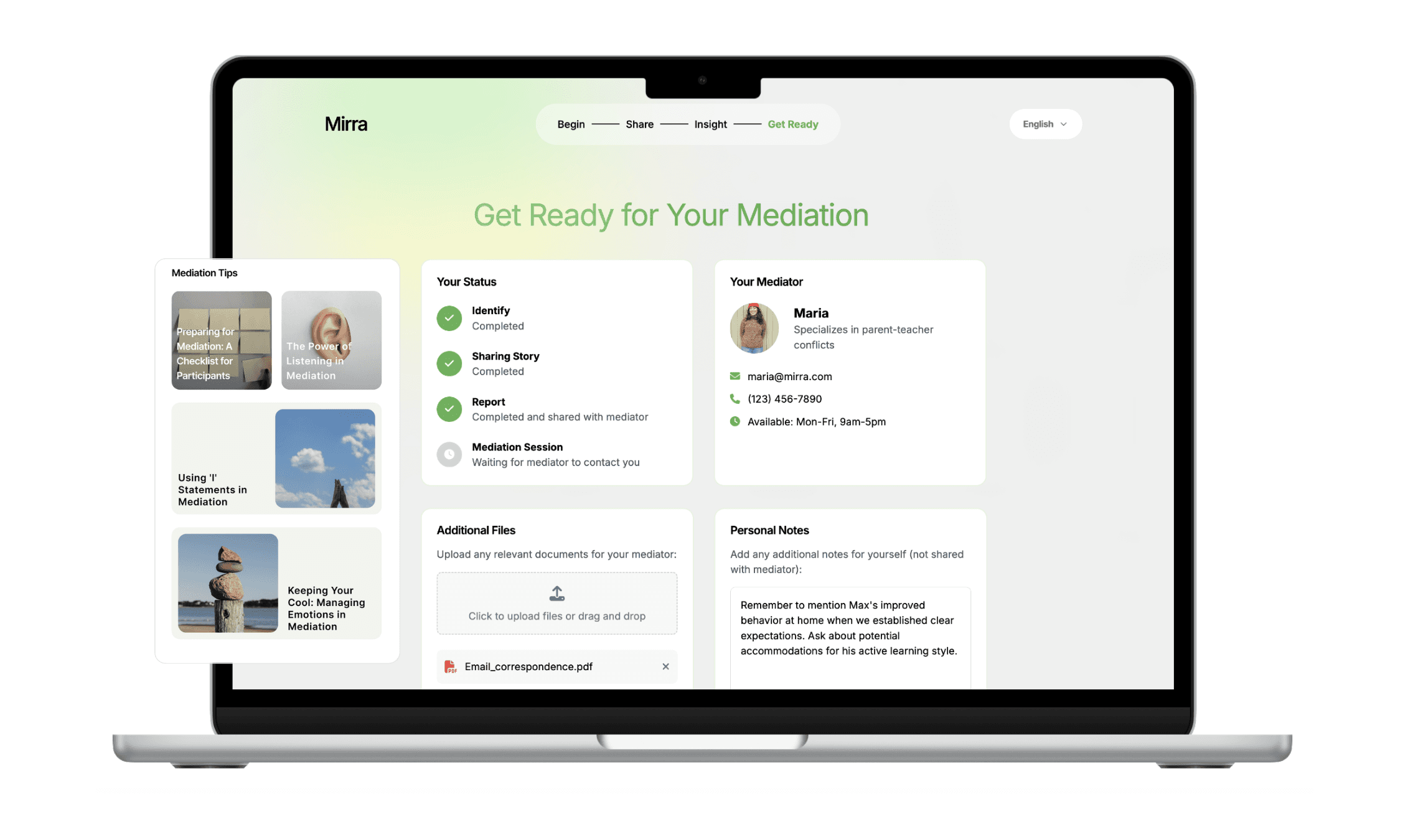
Mediation Prep Dashboard page - Get Ready
Practical Mediation Tips
Your Mediation Status
Mediator contacts
Additional Notes & Files
Upload documents or jot personal reminders
Impact
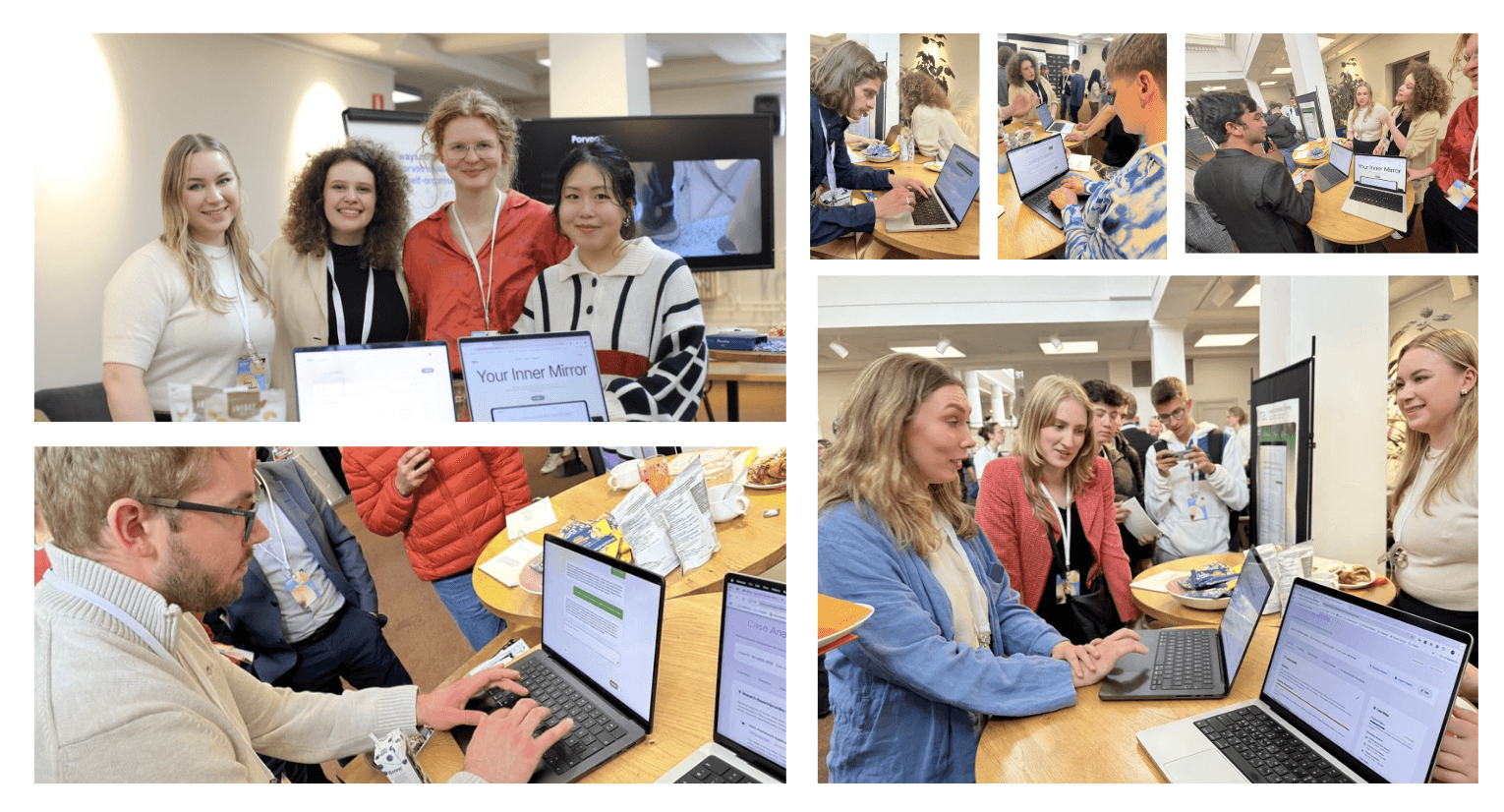
Presenting Mirra to Impact gala & booth
Received warm, positive feedback from audience and experts
Sparked active conversations and emotional connection
Currently in discussion to explore real-world implementation through funding